

Origins
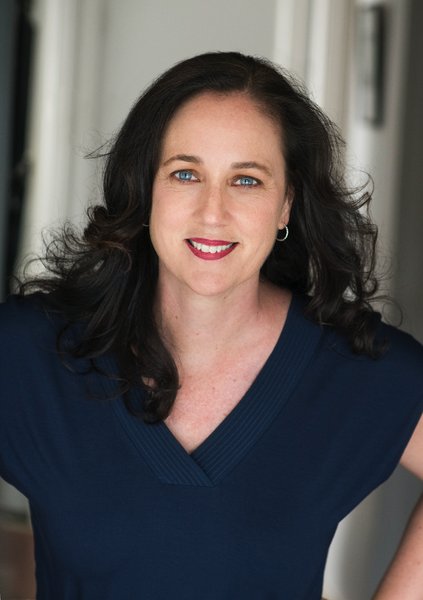
What the Doctor Said began with Dr Sarah Doyle's experience in a busy emergency department, where she saw patients leave without a clear understanding of their discharge instructions.
She set out to build a system that lets doctors create personalised discharge instructions patients can actually understand.
Why it works
There's no consistent standard for discharge communication in emergency medicine — most instructions are verbal only. More than two-thirds of patients leave with little or no understanding of at least one part of their instructions, a gap linked to higher return-visit rates and poorer recovery.
What makes WTDS different
Other tools call themselves "personalised" simply because they offer templates for many conditions — but what a patient receives is still just a canned document matched to their diagnosis. WTDS is different: the doctor personalises the template at the end of the consultation, for that specific patient. It starts as a template, but ends up one of a kind.
The Pain Study (Sir Charles Gairdner Hospital, 2020)
In a randomised controlled trial of 80 adult ED patients, those receiving WTDS instructions for pain relief reported higher satisfaction and better recall of their medication advice than patients given standard verbal advice alone:
The PATRIC Registry (Perth Children's Hospital, 2022)
In usability testing with 11 parents and 8 physicians, the WTDS system for paediatric discharge instructions scored well ahead of REDCap, a widely used research platform tested alongside it:
The OPIOIDS Trial (2025)
Our most recent trial examined WTDS for opioid-specific discharge advice across two Western Australian hospitals — a higher-stakes medication category. Data collection is complete, with results pointing to meaningful time and cost savings for physicians:
"I have loved using the service and I know my patients and the nurses like it too. You made a great product."
Private anaesthetist using WTDS in daycase surgery
Publications
Pavlos, R., Bhuiyan, M. U., Jones, M., Oakes, D., O'Brien, S., Borland, M. L., Doyle, S., Richmond, P., Martin, A. C., Snelling, T. L., & Blyth, C. C. (2024). Pragmatic Adaptive Trial for Respiratory Infection in Children (PATRIC) Clinical Registry protocol. BMJ Open, 14(1), e074308. doi: 10.1136/bmjopen-2023-074308
Doyle S, Pavlos R, Carlson S, Barton K, Bhuiyan M, Boeing B, Borland M, Hoober S, Blyth C. Efficacy of Digital Health Tools for a Pediatric Patient Registry: Semistructured Interviews and Interface Usability Testing With Parents and Clinicians. JMIR Formative Research 2022;6(1):e29889 doi: 10.2196/29889
Doyle, S. K., Rippey, J. C., Jacques, A., Rea, A. M., Kaiser, B. N., Miller, S. M., & Anstey, M. H. Effect of personalised, mobile-accessible discharge instructions for patients leaving the emergency department: A randomised controlled trial. Emergency Medicine Australasia 2020 Dec;32(6):967-973. doi: 10.1111/1742-6723.13516. Epub 2020 May 7
*Cost saving calculated using an ED physician rate of $237.60/hour, from Walker K, Ben-Meir M, Dunlop W, et al. Impact of scribes on emergency medicine doctors’ productivity and patient throughput: multicentre randomised trial. BMJ. 2019;364:l121. doi:10.1136/bmj.l121